


الغناء الثنائي أو (الدويتو) ماكانش منتشر قوي في الموسيقى العربية الكلاسيكية، باستثناء بعض التجارب المحدودة في الأربعينيات والخمسينيات، خصوصًا في الأفلام. شفنا مثلًا دويتو بين أم كلثوم وإبراهيم حمودة في فيلم عايدة، كأول محاولة لصنع أوبرا عربية، وكمان بين ليلى مراد ومحمد عبد الوهاب، بالإضافة إلى الدويتو الأشهر “شحات الغرام” بين محمد فوزي وليلى مراد. لكن في السنوات الأخيرة، ومع انفتاح الموسيقى العربية على التأثيرات الغربية، انتشر الدويتو بشكل كبير، وطلعت منه تجارب ناجحة جدًا.
نحلم إيه
دويتو “نحلم إيه” بين أنغام والراحلة ذكرى كان رد فعل مباشر على الانتفاضة الفلسطينية سنة 2000. كلمات بهاء الدين محمد كانت من أصدق ما كُتب للتعبير عن المأساة، وفيها سطور لا تُنسى مثل: “اغتيالهم للطفولة مش شهامة مش بطولة” و“اللي مات علشان بلاده لا ما متش دا يوم ميلاده”. لحن خالد البكري أضاف للأغنية قوة وتأثير، والأجمل فيها أنها جمعت بين صوتين نسائيين مختلفين جدًا ومتكاملين في نفس الوقت: أنغام بصوتها المخملي الرقيق، وذكرى بصوتها العريض الواسع.
أحاول
فضل شاكر قدّم ثنائيات كثيرة، لكن “أحاول” مع نوال الكويتية تفضل واحدة من أهمهم. الأغنية تصدرت الإذاعات والشاشات العربية لفترة طويلة، واتصنفت عند كثير من النقاد والصحفيين كواحدة من أهم الثنائيات في تاريخ الغناء العربي. ورغم اختلاف طبائع صوت فضل ونوال، إلا إن الإحساس المشترك بينهم كان العنصر الأهم في نجاح الأغنية.
وكبرنا
أغنية “وكبرنا” كانت هدية حقيقية للجمهور، ونجوى كرم كسبت فيها شرف الغناء مع وديع الصافي. الأغنية عبارة عن حوار مُغنى بين أب وابنته، يعبّر عن القلق والتعب والبحث عن السند. لحن أنطوان الشعك كان مغامرة صعبة، لكنه نجح في خلق واحدة من أجمل الثنائيات الغنائية العربية.
قلبي
في ألبوم قمرين، ظهر حرص عمرو دياب الواضح على التجديد، وكان من أبرز لحظاته دويتو “قلبي” مع الشاب خالد. هنا نلاحظ إن عمرو هو اللي راح ناحية عالم الراي، متأثرًا بخفته وحركته. اللحن المشترك بين الشاب خالد وشريف تاج كان حيويًا جدًا، لكن التوزيع اللي قدمه فريد عوامر كان من أهم أسرار نجاح الأغنية.
ع اللي جرى
رغم إن “ع اللي جرى” في الأصل مش دويتو، لكن ناس كتير عرفوها بصوت أصالة وصابر الرباعي. الأغنية الأصلية للمطربة التونسية علية، ولحنها حلمي بكر في الثمانينيات، لكن صابر أضاف لها بصمة مختلفة جدًا، خصوصًا في الموال اللي ارتجله وأصبح جزءًا أساسيًا من الصورة الذهنية للأغنية عند الجمهور.
بحبك
أول ظهور لشيرين كان من خلال دويتو “بحبك” مع محمد محيي في ألبوم صورة ودمعة. الأغنية ظهرت بروح مختلفة، خصوصًا مع محاولة الموزع محمد مصطفى وضعها في قالب أقرب للروك، مع إضافة جملة ناي لافتة. العمل كان بداية قوية جدًا لشيرين، وخلاها تلفت الانتباه من أول ظهور.
قولي جاي
عاصي الحلاني قدّم دويتوهات كثيرة، لكن “قولي جاي” مع كارول صقر تفضل من أجملها. كارول من الأصوات النسائية اللبنانية المميزة جدًا، رغم قلة أعمالها. اللحن كان بسيطًا في بنائه، لكنه غني في تنفيذه، مع حضور جميل للكمنجات والبزق، وده خلّى الأغنية تحتفظ بسحرها لسنين.
ليه يا دنيا
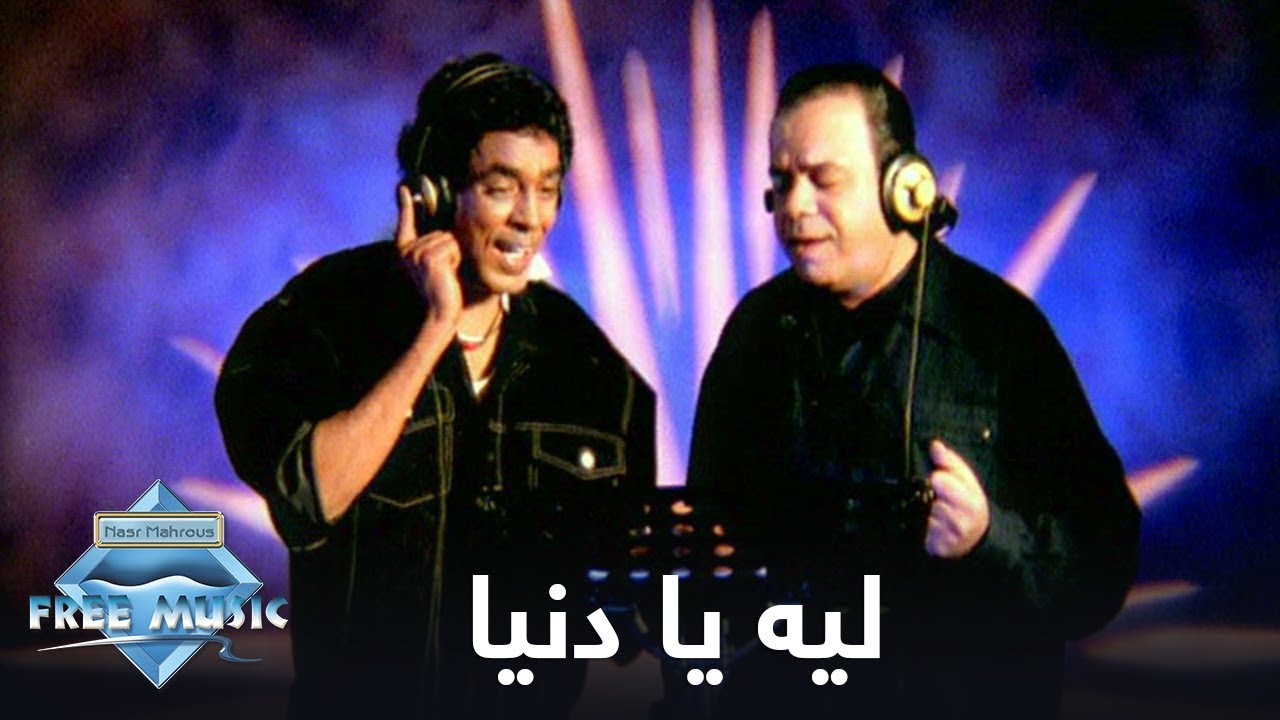
من أشهر دويتوهات التسعينيات كان “ليه يا دنيا” بين محمد منير وخالد عجاج. وقتها، فكرة الدويتو بين اسمين كبار ماكنتش مطروحة بالشكل ده، وده خلى الأغنية مختلفة من أول لحظة. نجاح الأغنية ارتبط بالكلمات اللي كتبها مصطفى كامل، وكمان بالإنتاج الذكي لنصر محروس.
يوم ورا يوم
من غير مبالغة، “يوم ورا يوم” عملت نقلة كبيرة جدًا في شكل الأغنية العربية الحديثة. بعد نجاحها، حاول كثير من الفنانين تكرار التجربة مع مطربي الراي. الأغنية كانت نتيجة رؤية سميرة سعيد الذكية، وقدرتها على التقاط ما يحدث عالميًا وتطويعه بما يناسبها. صوت الشاب مامي أضاف عنصر مفاجأة مهم جدًا في الأغنية.
العام الجديد
في فبراير 2005، سمعنا دويتو “العام الجديد” بين شيرين وفضل شاكر. الانسجام بين الاثنين كان واضح جدًا، ولحن مروان خوري جاء رقيقًا وقويًا في نفس الوقت. فكرة الأغنية نفسها بسيطة ومحببة، وميزتها إنها كانت معمولة خصيصًا لأجواء عيد الحب، وده خلاها ترتبط بموسم معين وتفضل حاضرة فيه كل سنة.