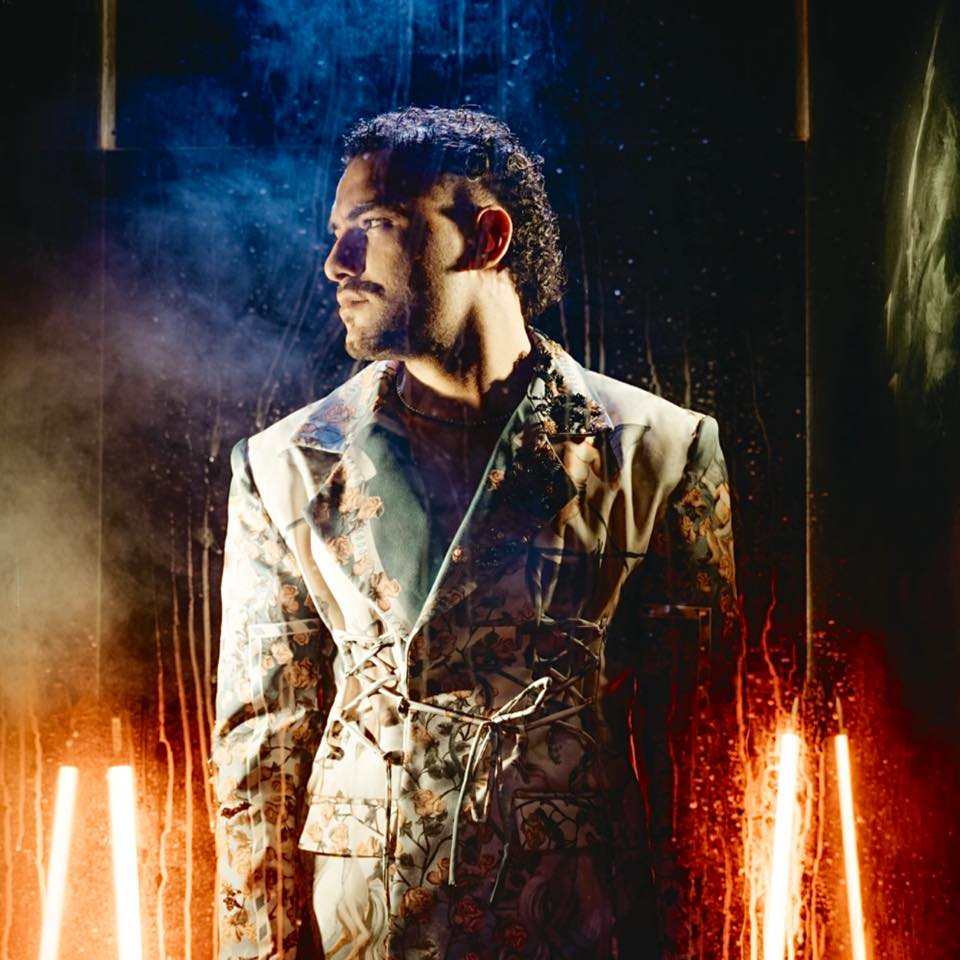



هل فعلًا مروان بابلو صنع صوت الراب في مصر؟
التصريح، والثقافة، والحكاية اللي بدأت قبل الأضواء بسنين.
لما مروان بابلو قال إنه “صنع صوت لمصر” في الراب، الموضوع ما كانش مجرد كلام من فنان ناجح. كان تصريح بيعيد صياغة الحكاية كلها، وبيحط حركة كاملة جوه صوت شخص واحد.
بس مشاهد الموسيقى عمرها ما بتشتغل بالشكل ده. ومشهد الراب المصري تحديدًا أكبر وأعقد من كده بكتير.
قبل الأضواء
قبل ما يبقى فيه حاجة اسمها “صوت راب مصري”، كان فيه محاولات متفرقة. صوت لسه بيدوّر على نفسه.
في آخر التسعينات وبداية الألفينات، فرق زي Y-Crew وMTM بدأت تقدّم الراب للجمهور المصري. التأثير الغربي كان واضح، لكن الهوية المحلية لسه ما اكتملتش. كان الصوت مألوف… لكن مش مصري بالكامل.
وفي نفس الوقت، كانت ثقافة الأندرجراوند بتكبر بهدوء. أعمال زي ميكروفون وثّقت مشهد مختلف، مشهد مش بيجري ورا المينستريم، لكنه بيبني مساحته الخاصة واحدة واحدة.
ما كانش فيه صوت واضح وقتها. بس كان فيه إشارات بتقول إن حاجة بتتكوّن.
لما المشهد بدأ يلاقي صوته
ومع منتصف العقد اللي فات، حصل التحول الحقيقي. مش بشكل مفاجئ، لكن بشكل واضح.
الراب في مصر بدأ يتحول من مجرد تجارب متفرقة لهوية متماسكة. التراپ دخل المشهد، واللغة بقت أجرأ، والصوت أقرب للشارع اللي خارج منه.
فنانين زي ويجز وأبيوسف ما كانوش بس بينزلوا تراكات ناجحة، لكن كانوا بيوسّعوا شكل الراب المصري نفسه، وبيغيّروا فكرة مين ممكن يسمعه.
وفي الخلفية، كان منتجين زي مولوتوف بيعيدوا تشكيل الصوت بالكامل، من خلال دمج التراپ بإيقاعات وروح المهرجانات. النتيجة ما كانتش تقليد، كانت إعادة تشكيل.
لأول مرة، المشهد ما بقاش مجرد وجود. بقى عنده ملامح واضحة.
لحظة بابلو
وبعدين ظهر مروان بابلو.
مش كبداية، لكن كلحظة وضوح.
اللي عمله بابلو ما كانش اختراع صوت جديد من الصفر، لكنه قدر يدي شكل وتعريف لصوت كان بالفعل بيتكوّن.
في تراكات زي Free وGhaba، المشهد بقى أوضح، أشرس، وأسهل في التمييز. فجأة، الراب المصري بقى له شكل معروف.
هويته كانت واضحة. حضوره محسوب. وصوته متعمد.
هو ما بناش الأساس… لكنه خلّى الناس تشوفه بوضوح لأول مرة.
هل مشهد كامل ممكن يبقى ملك لفنان واحد؟
فكرة إن فنان واحد “خلق” صوت بلد كاملة فكرة مغرية. بتبسط الحكاية، وبتخليها أسهل في الحكي.
لكنها كمان بتمسح كل التفاصيل اللي صنعت المشهد أصلًا.
المشاهد الموسيقية ما بتتخلقش في عزلة. هي نتيجة طبقات فوق بعض: فنانين بيجربوا، منتجين بيغيروا شكل الصوت، وجمهور بيقرر إيه يكمل وإيه يختفي.
اللي بنسميه “صوت” نادرًا ما بيكون اختراع. هو تراكم.
الإجابة الحقيقية
هل مروان بابلو صنع صوت الراب في مصر؟
مش بالضبط.
لكن اللي عمله كان مهم بنفس القدر. هو خلّى الصوت مرئي. إداله شكل. ودفعه للمينستريم بقوة ووضوح.
هو ما كانش بداية الحكاية، لكنه بقى واحد من أهم فصولها.
أبعد من اسم واحد
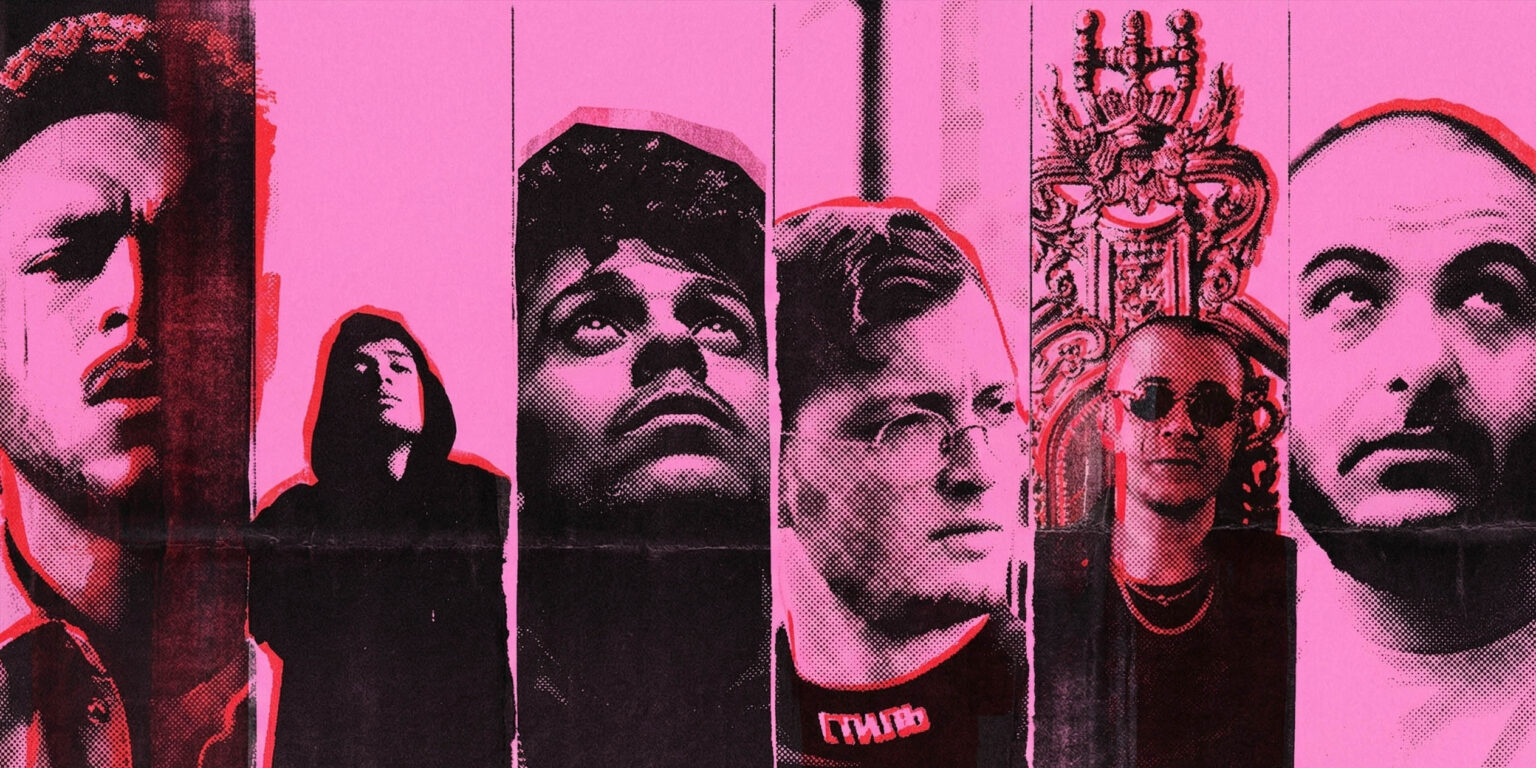
مشهد الراب المصري ما طلعش من صوت واحد. هو نتاج تراكم وتجريب وتوقيت.
وبالرغم من إن بابلو كان في قلب واحدة من أهم لحظات المشهد، إلا إن الصوت نفسه أكبر من أي اسم.
مشهد كامل. حركة كاملة. كورَس… مش سولو.